Propagation
How to Propagate a Snake Plant: 3 Easy Methods
Learn how to propagate a snake plant by water, soil, and division, with rooting times, potting-up steps, variegation tips, and rot fixes.
Disclosure: The Plant Pages is reader-supported. Some pages include ads and affiliate links, and we may earn a commission from qualifying purchases, at no extra cost to you.
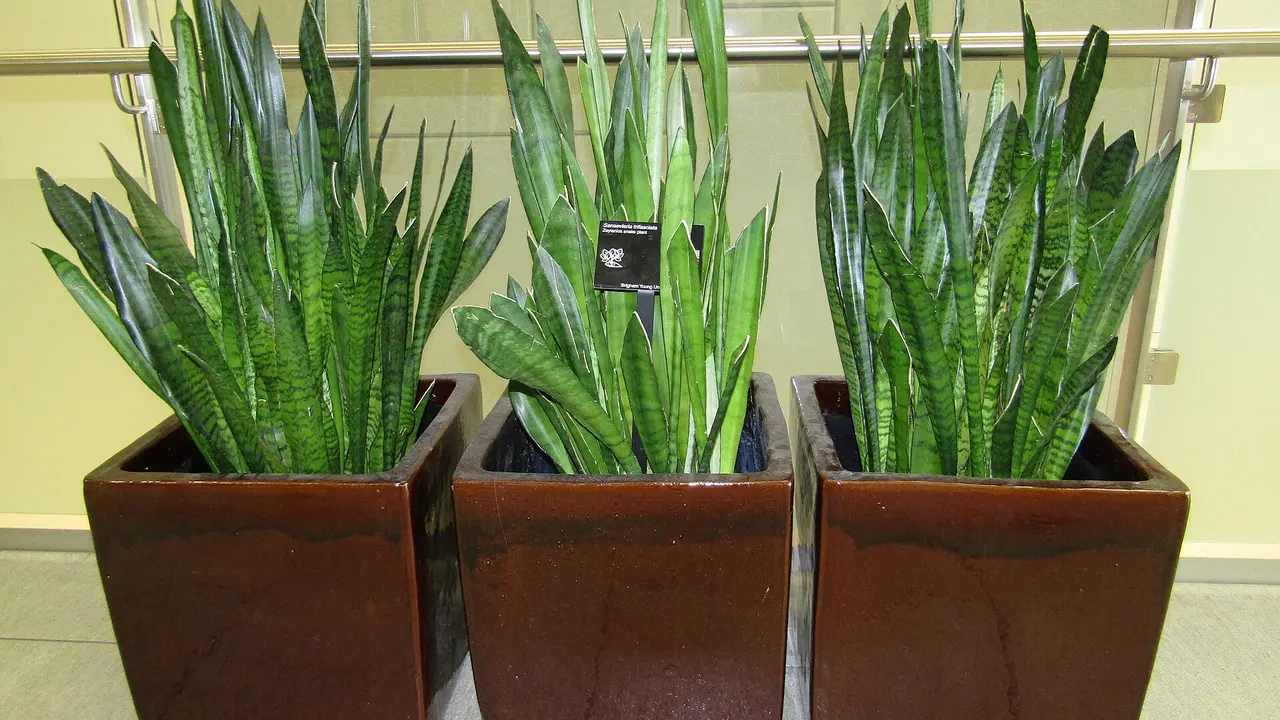
If you want more snake plants for free, you have three reliable options: root a leaf cutting in water, root a leaf cutting in soil, or divide the whole plant at the roots. Quick answer: the easiest method is to cut a healthy leaf, let the cut end dry for a day or two, then stand it in shallow water or push it into a gritty mix and wait for roots. But if your plant is variegated, skip cuttings entirely and divide it, because cuttings lose the color. Below I’ll walk through each method, exactly how long it takes, how to pot up and care for the babies afterward, and the two mistakes that ruin most attempts.
Meet the plant you’re propagating
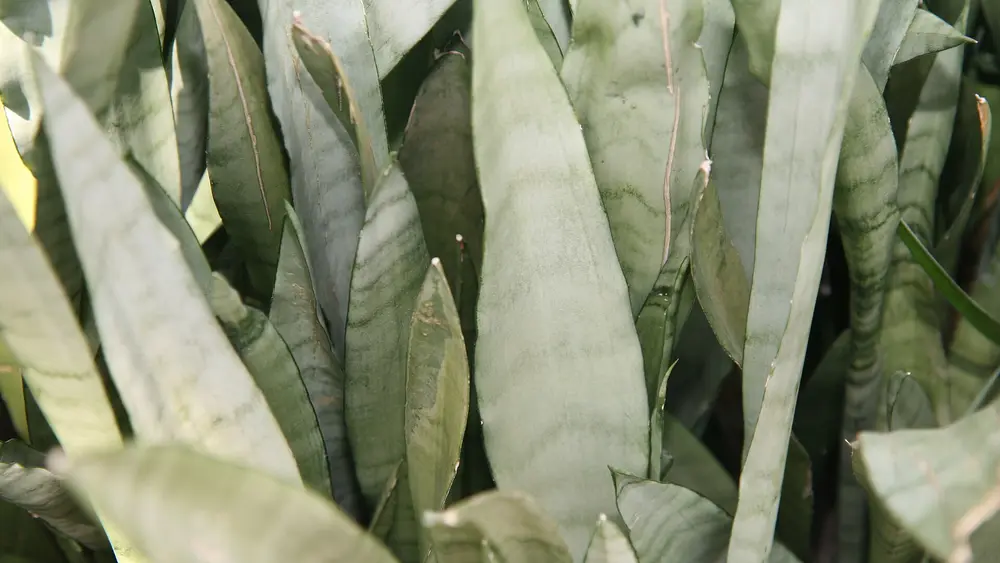
Snake plants were long sold as Sansevieria, but botanists have reclassified the genus into Dracaena. Your plant is now technically Dracaena trifasciata. The name change doesn’t affect how you multiply it. What matters is that snake plants are succulent, store water in their thick leaves, and rot far more easily than they dry out. That single fact drives every step below.
These are among the most forgiving plants you can keep, in the same low-effort tier as a low-effort plant like the money tree. They’ll tolerate neglect, low light, and infrequent watering, which is exactly why so many of us end up with a plant big enough to split. The water-storing, rot-prone habit they share with other leaf succulents means a parent snake plant likes the same long dry spells as a jade; if you also grow one, our guide on how often to water a jade plant walks through the soak-and-dry rhythm in detail.
Method 1: Water propagation (the one you can watch)
Water propagation is the most satisfying method because you get to watch roots appear. It’s also the slowest to produce a full plant. If that kind of patience suits you, the same slow leaf-cutting logic applies to how to propagate a ZZ plant, another tough succulent-like houseplant that roots on its own schedule.
- Choose a healthy leaf. Pick a firm, upright leaf, not a soft or floppy one. Older, mature leaves root more reliably than tiny new growth.
- Cut cleanly. Use a sterilized knife or scissors and cut the leaf off near the soil line. Wipe the blade with rubbing alcohol first to avoid spreading disease.
- Note which end is down. This matters. The end that was closest to the soil is the bottom, and that’s the only end that grows roots. Mark the bottom end with a small arrow so it doesn’t get flipped.
- Let it callus. Set the cutting on a counter for one to two days until the cut end dries over and forms a slightly hardened skin. Skipping this step is the number-one cause of rot.
- Add shallow water. Stand the cutting in a jar with just an inch or two of water, enough to cover the bottom, not half the leaf. Place it in bright, indirect light.
- Change the water weekly. Fresh water keeps bacteria down and oxygen up. Cloudy or smelly water means change it now.
Rooting time: expect the first white roots in roughly 3 to 8 weeks, and small pups (baby plants) a few weeks after that. Once roots are an inch or two long and a pup has appeared, pot the whole thing up in a fast-draining mix.
Cutting one leaf into several
A long leaf can be cut into multiple 2-to-3-inch sections, and each will root separately, so one leaf can become several plants. Keep track of which end of each section faces down; a piece planted upside down will simply sit there and never root.
Potting up a water cutting without shocking it
This is the step most people get wrong, because water roots and soil roots aren’t the same. Roots grown in water are thin, white, and brittle, adapted to pull oxygen straight from the water, not to push through soil. Transfer too early and there’s nothing to anchor the cutting; too late and they become a tangled mass that struggles in a pot. The sweet spot is roots about 1 to 2 inches long, ideally with a small pup just starting to show at the base.
When you’re ready:
- Prepare the pot first. Fill a small pot with a gritty, fast-draining mix and moisten it lightly so it’s barely damp, not wet. A pot only slightly wider than the cutting is fine; snake plants like to be a little snug.
- Make a planting hole. Use a pencil or chopstick to open a hole deep enough that the roots hang straight down without bending or coiling.
- Settle the cutting in. Lower the roots in, backfill gently, and firm the mix just enough to hold the leaf upright. Don’t pack it hard; you want air around those new roots.
- Water once, lightly, then back off. Give a small drink to settle the soil around the roots, then let the surface dry before watering again. The plant now has to grow tougher soil roots, and keeping the mix on the dry side pushes it to do exactly that.
Some leaves sulk for a week or two after the move while they swap water roots for soil roots; slight softening of the lower leaf is normal as long as it doesn’t turn to mush. Keep it warm and in bright indirect light, resist watering, and it will settle in.
Method 2: Soil propagation of leaf cuttings
Soil propagation skips the jar and roots the cutting directly in its growing medium. You can’t watch progress, but the transition to potted life is seamless because there’s no fragile water-root-to-soil adjustment.
- Cut and callus exactly as above: a clean cut and a one-to-two-day dry-out.
- Use a gritty, fast-draining mix. A cactus/succulent mix, or potting soil cut heavily with perlite, coarse sand, or pumice. Plain dense potting soil holds too much water and invites rot.
- Plant shallow, right way up. Push the bottom inch of the cutting into the mix, callused end down. Firm it just enough to stand upright.
- Water sparingly. Moisten the mix lightly, then let it dry out almost completely before watering again. The cutting has no roots yet, so it can’t drink much; soggy soil just rots it.
- Bright indirect light, warm spot. Warmth (around room temperature or a bit above) speeds rooting.
Rooting time is similar to water, several weeks to a couple of months, but you’ll judge success by gently tugging the cutting. Resistance means roots have formed.
Method 3: Division (the fastest, and the only one that keeps variegation)
Division is the better choice when a plant has outgrown its pot or sprouted pups around the base. Instead of growing a new plant from a leaf, you split an existing, fully rooted clump. The payoff is instant: you have multiple complete plants the same day. Here’s the full process, step by step.
- Unpot the plant. Tip it sideways and ease it out rather than yanking the leaves. A lightly moistened root ball slides out more easily; if it’s stuck, run a knife around the inside of the pot.
- Clear away the soil. Brush and crumble the soil off the roots (fingers, a chopstick, or a slow rinse under the tap all work) until you can see the rhizomes, the thick, pale, horizontal underground stems that connect the leaf clusters. Every viable division needs a piece of one.
- Map your cuts before you cut. Each clump of leaves with its own roots and its own length of rhizome is a future plant. A good division has at least one healthy leaf (or a tight fan) plus roots attached to a section of rhizome. Aim for two or three solid divisions rather than a dozen weak ones.
- Separate the rhizomes. Where clumps fall apart by hand, tease them gently. Where rhizomes are fused or tangled, use a clean, sharp knife (wiped with alcohol) and cut decisively through the rhizome between two clusters; a clean cut heals better than a ragged tear. Try not to shred the roots.
- Let the cut rhizome callus briefly. Set the divisions aside for a few hours to a day so the fresh cut faces dry and seal, lowering the chance of rot at the wound.
- Repot each division. Plant each one in fresh, fast-draining mix at the same depth it sat before, firm lightly, and water just enough to settle the soil.
Treat the divisions as established plants; they already have roots, so there’s no fragile rooting period. Put them in bright indirect light and water normally (which, for a snake plant, means rarely).
Why variegated plants must be divided
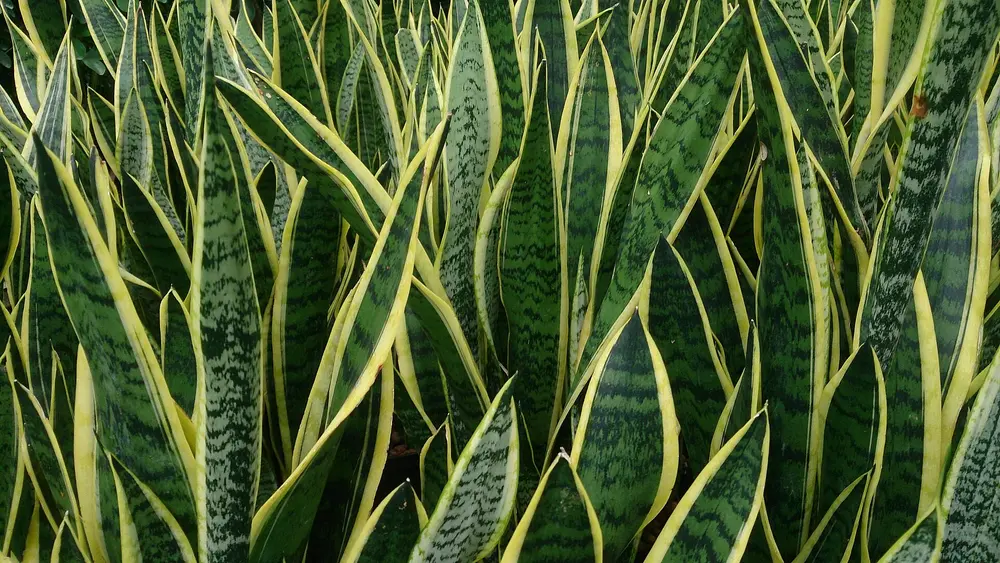
True margin-variegated cultivars, the yellow-edged ‘Laurentii’, ‘Bantel’s Sensation’, and ‘Golden Hahnii’, are chimeras: their color lives in specific meristem (growing-point) tissue that a leaf cutting can’t reproduce. So when you root a cutting, the regenerated pups come up plain green, losing the yellow edges entirely. Silvery cultivars like ‘Moonshine’ are less predictable (they may hold their tone from cuttings) so division is just the safe bet if color matters. Either way, division keeps the original rhizome intact, so the color comes along with it.
At-a-glance comparison
| Method | Speed to a full plant | Difficulty | Keeps variegation? | Rot risk |
|---|---|---|---|---|
| Water cutting | Slow (months) | Easy | No | Moderate |
| Soil cutting | Slow (months) | Easy | No | Moderate–high |
| Division | Instant | Easy–moderate | Yes | Low |
Aftercare: light, water, and a realistic timeline
New cuttings and divisions don’t need fussing; they need restraint. The most common way people lose a propagation that was going perfectly well is by “caring” for it too hard in the first few weeks. One safety note first: snake plants are toxic to cats and dogs (the saponins cause drooling, vomiting, and diarrhea), so keep your cuttings, water jars, and the parent plant out of reach of pets.
Light. Bright, indirect light is ideal: near an east window, or a few feet back from a brighter one. Direct sun can scorch a rootless or freshly divided plant that can’t yet replace lost moisture, and deep shade slows rooting to a crawl. Established plants tolerate low light; propagations root noticeably faster with more.
Water, much less than you think. A rootless cutting has almost no way to use water, so the mix only needs to be barely damp, drying near-completely between drinks. For water cuttings, shallow water changed weekly is plenty. For fresh divisions, water to settle the soil, then wait until the mix is dry well down before watering again. Underwatering a snake plant propagation is almost always recoverable; overwatering usually isn’t. Warmth helps too: roots form fastest at room temperature or a touch above, and a cold winter windowsill can stall a cutting for weeks.
The timeline (set your expectations). Snake plants are genuinely slow. In water, expect 3 to 8 weeks before the first roots; in soil, a gentle tug after about a month tells you whether roots have caught. Then comes the long part: a rooted cutting can sit for weeks to a few months before it pushes up a new leaf, because it’s quietly building energy underground first. Divisions are the exception; they’re done on day one. Slow is the species, not a problem.
Signs it’s working, and signs it isn’t
Good signs:
- Firm, plump cuttings that stay upright.
- White or pale roots emerging from the bottom (visible in water; felt as resistance in soil).
- Small pointed pups pushing up beside the original cutting.
Trouble signs:
- The base turns soft, mushy, brown, or slimy. That’s rot (full fix in the next section).
- A cutting that sits unchanged for months with no roots is often planted upside down, or simply cold. Check the ends and the location.
Patience is the hardest part. A cutting can look like it’s doing nothing for a month before roots appear; resist the urge to “help” it with more water.
Troubleshooting the three problems you’ll actually hit
Most propagation questions come down to the same handful of situations. Here’s how to read each one and what to do next.
My cutting turned mushy / rotted at the base. The classic failure, with two usual causes: it never callused, or it sat in too much moisture. A rootless cutting can’t drink, so excess water stews the cut end until bacteria move in. Don’t nurse the rot; it spreads upward through the soft tissue. Lift the cutting, cut back above the mush into firm, clean tissue with a sterilized blade, let that fresh cut callus for a day or two, and restart in shallow water or a barely-damp gritty mix. If the rot has climbed most of the way up the leaf, discard it and take a new cutting from a different leaf.
It’s been weeks (or months) and there are no roots. First check orientation: a leaf set upside down will never root, only the soil-side end does. Pull a soil cutting gently; if it lifts out with a clean, firm bottom and no roots, re-check which end is down and reset it. If orientation is correct, the usual culprit is cold or low light: rooting stalls in a dim, chilly spot. Move it somewhere warm and bright-but-indirect and give it more time. As long as the cutting stays firm and plump, it isn’t dead; it’s slow. A cutting that’s rootless and going soft is rotting; handle it as above.
My variegated leaf cutting grew back plain green. This one isn’t a mistake you can fix; it’s biology. Margin-variegated types like ‘Laurentii’ are chimeras whose color lives in specific meristem (growing-point) tissue that a leaf cutting can’t reproduce, so the regenerated pup comes up plain green nearly every time. (Silvery cultivars like ‘Moonshine’ are less predictable and may hold their tone from cuttings.) No watering trick or light level restores lost margins on a reverted pup. To be sure of keeping color, the reliable route is division, which carries the original rhizome (and its variegation) into the new plant.
Common mistakes that kill cuttings
- Overwatering. The single biggest killer. A rootless cutting can’t use much water, and excess moisture rots the cut end. Shallow water or a barely-damp gritty mix is all you need.
- Skipping the callus. A wet, open cut is an invitation to bacteria and fungus. Always let the end dry first.
- Planting upside down. Roots only form on the end that was nearest the soil. Mark it before you cut.
- Expecting cuttings to keep color. Margin-variegated leaf cuttings revert to green. Divide instead.
- Dense, water-retentive soil. Standard potting mix stays too wet. Cut it with plenty of perlite or use a succulent mix.
- Letting the propagation tray stay soggy. Constantly damp mix doesn’t just risk rot; it can attract pests. If you notice tiny black flies, you may be dealing with fungus gnats in the propagation mix, a sign your medium is staying wetter than it should.
A quick note on light and temperature, since both affect rooting speed: snake plants tolerate low light as houseplants, but cuttings root faster in bright, indirect light and warmth. Cold, dim conditions stall the process.
Putting it together
If you just want more plants and don’t care about color, take a few leaf cuttings, callus them, and root them in water so you can watch, or in soil for a cleaner transition. If you have a prized variegated plant, divide it and keep the color. Either way, the rules are the same: cut clean, dry the end, keep moisture low, plant right-side up, pot up gently once roots are an inch or two long, and then wait. Do that, and a single plant will quietly turn into a whole shelf of them.