Troubleshooting
Why Is My ZZ Plant Turning Yellow?
Wondering why your ZZ plant is turning yellow? The usual culprit is overwatering and rhizome rot. Learn to check the rhizomes, dry it out, and fix it.
Disclosure: The Plant Pages is reader-supported. Some pages include ads and affiliate links, and we may earn a commission from qualifying purchases, at no extra cost to you.
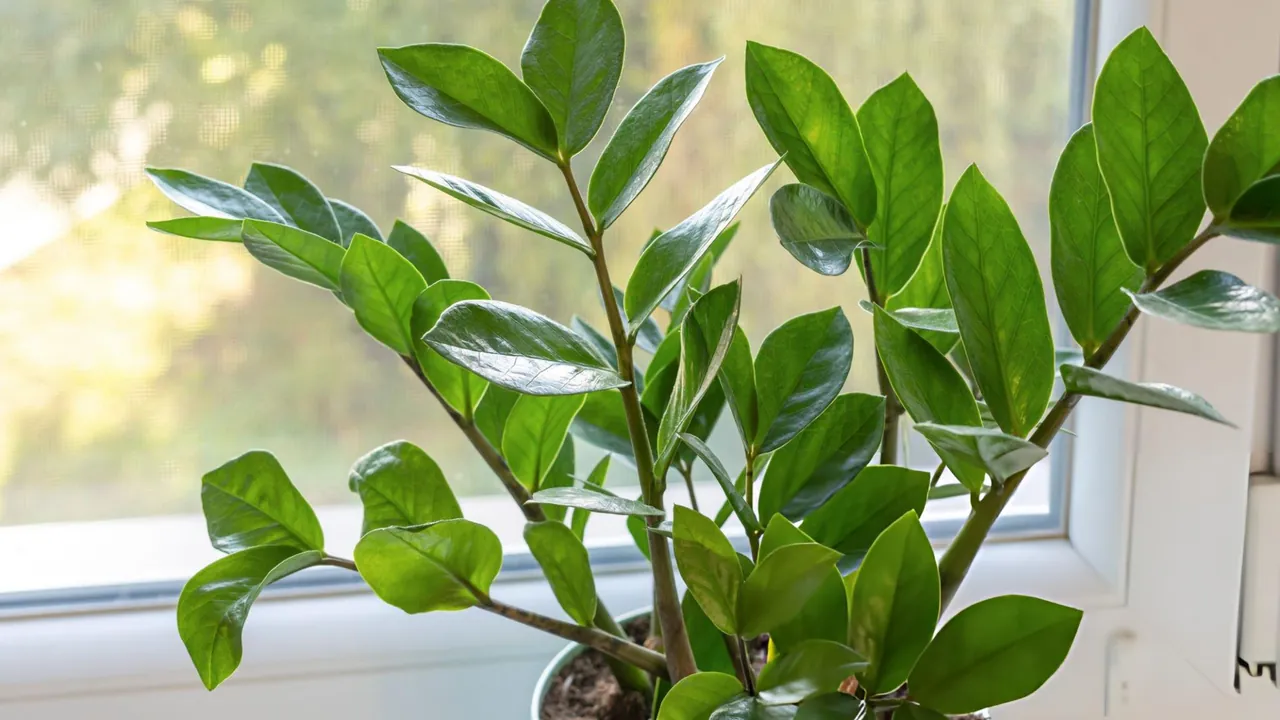
The ZZ plant (Zamioculcas zamiifolia) has a reputation for being nearly indestructible, so when its glossy leaves start going yellow it feels alarming. The good news is that the cause is almost always one thing, and it is fixable. Quick answer: by far the most common reason a ZZ plant turns yellow is overwatering, which rots the rhizomes and tubers where the plant stores water, and the leaves then yellow from the base up. The fix is to dry the plant out, slide it from its pot to check the rhizomes, trim away anything mushy, and water far less going forward. Below I’ll walk through how to confirm the cause and bring your ZZ back.
The short version: it’s almost always overwatering
Before we get into every possible reason, it helps to understand why this one cause dominates. The ZZ plant grows from thick, potato-like underground rhizomes and tubers that store water. In its native East Africa it survives long dry spells by living off that reserve. That same adaptation is exactly why it struggles indoors when we are too generous with the watering can.
When the soil stays wet, those water-storing rhizomes have no reason to draw down their reserves, and constantly saturated tissue starts to rot. As the rhizomes break down, they can no longer feed the stems, and the leaves respond by yellowing, typically beginning with the lowest leaves and the stems nearest the soil. So if several leaves are turning yellow at once, the stems feel soft near the base, or the soil has been damp for a long time, overwatering and rhizome rot is the first thing to check, and usually the answer. This overwatering-first pattern holds across many houseplants; the diagnosis for why money tree leaves turn yellow starts in exactly the same place.
The rest of this guide covers how to confirm rot, the less common causes worth ruling out, and exactly how to nurse the plant back.
How to check the rhizomes for rot
This is the single most useful diagnostic you can do, and it takes a few minutes. Because the trouble is underground, the leaves only tell you something is wrong, not what. To know for sure, you have to look at the rhizomes.
Gently tip the plant out of its pot. Support the base of the stems, turn the pot on its side, and ease the root ball out rather than yanking on the foliage. Brush away enough soil to see the chunky rhizomes and the finer roots.
Here is what you are reading:
- Healthy rhizomes are firm to the touch and pale, usually a creamy off-white or light tan. The roots attached to them are pale and springy. This is what you want to see.
- Rotten rhizomes are mushy and squishy when pressed, discolored to brown or black, and often give off a sour, swampy smell. Roots may be dark, slimy, and fall apart between your fingers.
A plant can have a mix of both. If most of the rhizomes are still firm and pale, you have caught it in time. If the majority are soft and brown, recovery is harder but often still possible by salvaging the healthy portions.
While you have it out of the pot, smell the soil too. A genuinely sour or rotten odor is another strong sign that things have been too wet for too long.
Confirming overwatering above the soil
You will not always want to depopt a plant the moment one leaf yellows, so it helps to read the aboveground signs as well. Overwatering on a ZZ plant tends to show a recognizable pattern.
Look for yellowing that starts low and spreads, rather than scattered randomly through the canopy. Check whether the affected stems feel soft, spongy, or slightly translucent near the base where they meet the soil, which is a telltale sign of rot creeping up from the rhizome. Press a finger into the soil: if it is still damp several days or a week after watering, the mix is holding far more moisture than this plant wants.
You may also notice the whole stem yellowing and flopping, not just individual leaflets. On a ZZ, a single stalk going soft and yellow from the bottom usually means the rhizome feeding it has rotted. Compare that with a healthy stem, which stays firm and upright with a slight glossy sheen.
If those signs line up, treat it as overwatering and move to the recovery steps further down, ideally after checking the rhizomes directly.
The less common causes, and how to tell them apart
Overwatering is the headline, but it is not the only way a ZZ plant turns yellow. Ruling these out keeps you from drying out a plant that actually needed something else. None of these are as frequent as overwatering, so think of them as the shorter list you work through once rot is off the table.
Normal old-leaf aging
Sometimes a single yellow leaf is just the plant retiring an old one. As a ZZ grows, the oldest, lowest leaflets near the base of a stem occasionally yellow and drop while the rest of the plant looks healthy and keeps pushing new growth. If only one leaf or one leaflet is affected, the stems are firm, the soil dries normally, and there is no soft or sour smell, this is almost certainly routine aging and nothing to fix. You can simply pinch off the spent leaf.
The way to distinguish this from a real problem is scale and pattern. One old leaf now and then is fine. Several leaves yellowing together, or yellowing paired with soft stems, is not.
Too much direct sun
ZZ plants are famously tolerant of low light and do well in bright indirect light, but they are not built for harsh, direct sun. A stretch of intense midday sun through glass can bleach and scorch the leaves, fading their deep green to a washed-out pale yellow, sometimes with brown, dry, crispy patches on the most exposed surfaces. The clue here is location and distribution: the yellowing shows up on the side or leaves facing the window, the most sun-blasted leaves look the worst, and the plant has recently been sitting somewhere very bright. The fix is simply to move it back from the window into filtered or indirect light. For more on where these plants actually thrive, see our roundup of the best indoor plants for low light.
Underwatering (the rare one)
This is the least common cause, because a ZZ plant is so good at storing water that it can coast for weeks. But it is not immune to true drought. If a ZZ goes unwatered for a very long time, it eventually draws down its reserves, and you will see the stems turn thin, wrinkled, and wavy rather than plump and upright, with leaves that may yellow, curl, or drop. The giveaway is the stems: rot makes them soft and mushy, while genuine thirst makes them thin and wrinkled, and the soil will be bone dry rather than soggy. If that is what you are seeing, a normal watering (and a return to a regular, if infrequent, schedule) brings it back. Because the symptoms can look superficially similar, always check whether the soil is wet or dry before deciding, since the treatments are opposite.
Other minor contributors
A couple of smaller factors can play a supporting role. A heavy hand with fertilizer can build up salts that brown and yellow leaf edges; ZZ plants are light feeders and need very little. Cold drafts or a chilly room can also stress the plant. These are worth a glance, but if your ZZ is yellowing, start with watering and light before chasing these. One side effect worth knowing: the same chronically damp soil that yellows a ZZ also breeds tiny black flies, so if you spot them, our guide on how to get rid of fungus gnats on houseplants covers the fix, and watering less is a big part of it.
How to fix an overwatered, yellowing ZZ plant
Once you have confirmed (or strongly suspect) overwatering, here is the recovery sequence. The overall goal is simple: dry it out, cut away the rot, and water far less from now on.
-
Stop watering and let it dry. If the rhizomes still look mostly firm and the rot is mild, sometimes the simplest fix is to stop watering entirely and let the soil dry out fully before you do anything else. A ZZ can sit in dry soil for weeks without complaint.
-
Unpot and inspect. For anything beyond the mildest case, slide the plant out and examine the rhizomes as described above. This is where you find out how far the rot has gone.
-
Trim the rot. With clean, sharp scissors or a knife, cut away every mushy, brown, or black rhizome and root, cutting back into firm, pale, healthy tissue. Removing the rot is essential, because rot left in place keeps spreading. Discard the diseased pieces; do not compost them.
-
Let cut surfaces dry, then repot in fresh dry mix. Allow the trimmed rhizomes to air out for a few hours so the cuts can callus over. Then repot into fresh, dry, fast-draining potting mix in a clean pot with drainage holes. A mix amended with perlite or one made for cactus and succulents helps keep things airy. Using fresh soil matters because the old mix is waterlogged and may carry the rot.
-
Wait before watering. After repotting a rot-affected ZZ, hold off on watering for several days to a week so the cut tissue can settle and you do not re-saturate it immediately. This pause feels counterintuitive but it is genuinely part of the fix.
-
Resume a much lighter routine. Going forward, water only when the soil has dried out almost completely. Removing the yellowed leaves themselves is optional and cosmetic: a leaf that has fully yellowed will not green up again, so you can snip it off, but it is not urgent.
A note on judgment: how aggressively to trim is a call you make based on what you find. If only a couple of rhizomes are soft, remove those and keep the rest. If most are gone, salvage any firm, pale rhizome you can, even a single healthy one, and pot it up; ZZ plants regrow readily from a sound rhizome.
Watering a ZZ plant so it never happens again
The whole point of fixing the plant is not having to fix it again, and that comes down to watering rhythm. The reliable approach with a ZZ is to wait until the soil is nearly or fully dry, then water thoroughly, then wait again.
In practice that often means watering every two to three weeks, and even less in winter when growth slows and the plant uses less water. But the calendar is only a rough guide. Light levels, pot size, soil, and the season all shift the timing, so check the soil instead of watering on a fixed day. Push a finger deep into the mix; if you feel any real moisture, wait. When you do water, water fully until it drains from the bottom, then empty the saucer so the pot is never standing in water. This soak-and-dry interval is the same one that keeps other water-storing plants healthy, such as the schedule for how often to water a jade plant, another succulent that rots far more easily than it dries out.
A few habits make overwatering much harder to repeat:
- Use a pot with drainage holes. A pretty cachepot with no drainage is one of the quickest routes to a rotten ZZ. If you love a decorative pot, keep the plant in a plastic nursery pot inside it that you can lift out to drain.
- Use a fast-draining mix. Adding perlite, pumice, or a cactus-and-succulent blend keeps air around the rhizomes between waterings.
- Lean toward underwatering. This plant forgives a missed drink far more easily than a soggy week. When in doubt, wait.
- Ease off in winter. Less light and slower growth mean the soil dries more slowly, so stretch the interval out.
When to worry, and when not to
Not every yellow leaf is a crisis, and knowing the difference saves you from over-correcting. One lower leaf yellowing occasionally, on a plant that is otherwise firm, glossy, and growing, is routine and needs nothing more than removing the spent leaf. Several leaves yellowing at once, soft or mushy stems, a sour smell, or yellowing that climbs from the base is the pattern that calls for action, and that action is almost always to dry the plant out and check the rhizomes for rot.
If you have caught it early and most rhizomes are still firm, the odds of a full recovery are good. Even a badly rotted ZZ can often be saved from one or two healthy rhizomes, though it will take time to rebuild its size. ZZ plants are slow growers, so be patient: new growth comes as glossy, tightly furled stems that gradually unfurl.
For a deeper reference on this species and its care, the Missouri Botanical Garden’s plant finder entry for Zamioculcas zamiifolia is a reliable, citation-worthy source.
Turning a rescue into more plants
Here is a small upside to all of this. If you end up trimming your ZZ and find healthy rhizomes you do not need, or you simply want more of these tough, glossy plants, the ZZ propagates well from both rhizome division and leaf cuttings. Division is the fastest route and pairs naturally with a repotting or a rot rescue, since you already have the plant out of its pot. If you would like to try it, here is our full walkthrough on how to propagate a ZZ plant.
The bottom line: when a ZZ plant turns yellow, suspect overwatering first. Check the rhizomes (firm and pale is good, mushy and brown is rot), trim away anything rotten, repot into fresh dry mix, and water far less from now on. Get the watering right and this is once again one of the most forgiving plants you can own.