Propagation
How to Propagate a Peace Lily
Learn how to propagate a peace lily the only way that works: division at repotting. Step-by-step crown splitting, timing, aftercare, and why cuttings fail.
Disclosure: The Plant Pages is reader-supported. Some pages include ads and affiliate links, and we may earn a commission from qualifying purchases, at no extra cost to you.
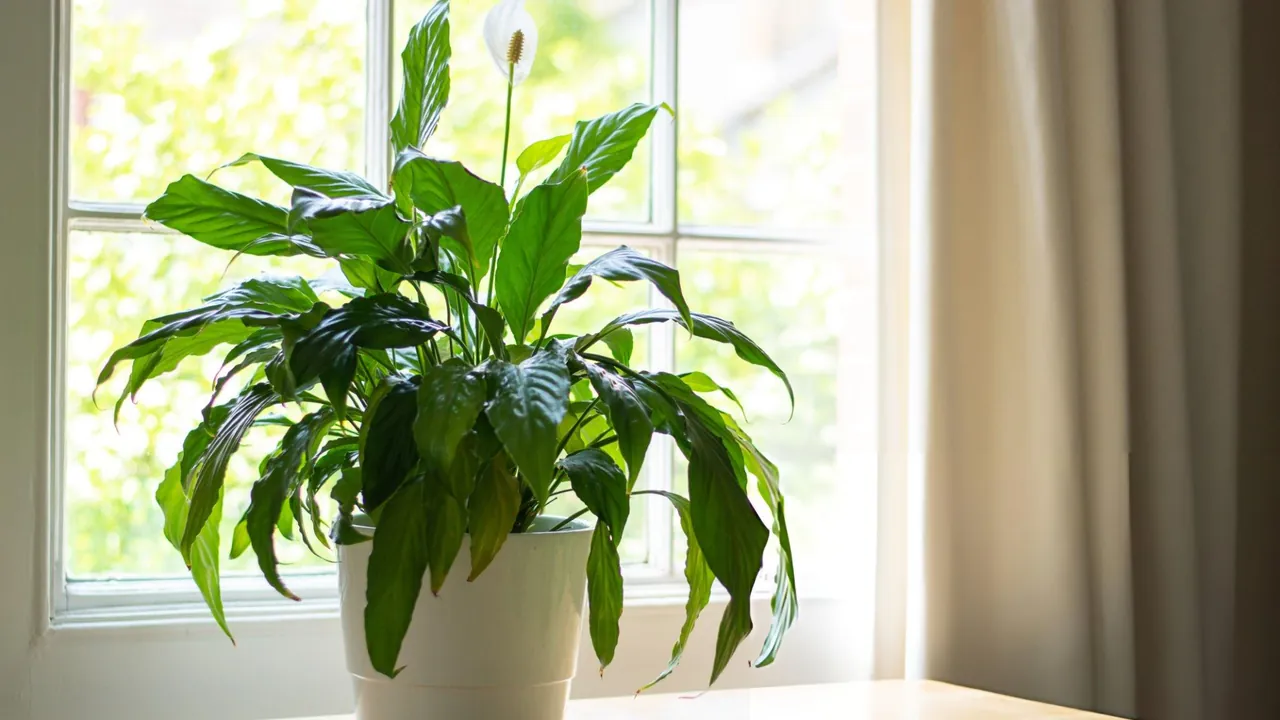
If your peace lily has grown into a dense, crowded clump and you want more plants from it, you’re in luck: this is one of the easiest houseplants to multiply, as long as you do it the right way. Quick answer: you propagate a peace lily (Spathiphyllum) by division, not by cuttings. Slide the plant out of its pot, find the natural clumps (called crowns) that each have their own roots and several leaves, separate them by hand or with a clean knife, and pot each piece in fresh mix. Spring is the ideal time, and a little droop afterward is normal. Below I’ll walk through exactly how to propagate a peace lily, step by step, and why the cutting methods you may have read about simply don’t work for this plant.
The one method that works: division
Here’s the single most important fact, and the one most people get wrong: a peace lily cannot be propagated from a leaf or a stem cutting. This is different from a pothos, a monstera, or a snake plant, and the difference matters.
A peace lily isn’t a vining or branching plant with nodes spaced along a stem. It grows as a clump of leaves that each rise on their own stalk straight from a central base at soil level. There is no node partway up a leaf where new roots and shoots can form. So if you snip off a single leaf, even with a length of its stalk attached, you’ve removed a part with no growth point. It has nowhere to grow roots from and no bud to become a new plant. Put it in water and it may stay green for a week or two out of stored energy, then it yellows and rots. It will never become a peace lily.
What you propagate instead is a whole sub-plant: a crown. A mature peace lily is really a tight cluster of several growing points, each with its own ring of leaves and its own roots, all packed together in one pot. Division simply separates that cluster back into the individual plants it’s made of. Each one is already a complete, rooted peace lily, so it doesn’t have to grow roots from scratch. That’s why division works so reliably and so quickly compared with rooting a cutting.
If you want the cutting experience with a plant that actually obliges, that’s a different species. A snake plant, for instance, roots readily from leaf sections, and I cover that in our guide to how to propagate a snake plant. For a peace lily, though, division is the method, and the good news is it’s genuinely simple.
What you’ll need
You don’t need much, and you probably have most of it already:
- The peace lily, ideally one that’s grown crowded or pot-bound.
- A clean, sharp knife for any clumps too dense to pull apart by hand. Wiping the blade with rubbing alcohol first reduces the chance of spreading disease.
- Fresh, well-draining potting mix. A standard peat- or coir-based houseplant mix with a few handfuls of perlite works well.
- Pots with drainage holes, sized to the divisions (more on sizing below).
- A watering can, and ideally a spot to work where a bit of spilled soil won’t bother you.
A pair of gloves is optional but pleasant, since you’ll be handling roots and soil directly. Worth a quick note: peace lilies contain calcium oxalate crystals that can irritate skin, mouths, and pets, so wash your hands afterward and keep curious cats, dogs, and children away from the trimmings.
When to divide a peace lily
Timing isn’t make-or-break, but it does affect how fast the divisions bounce back. The best window is spring, when the plant is in active growth and recovers most quickly from the inevitable root disturbance. Early summer is a close second. Both seasons give the new divisions warm, bright, lengthening days to put out fresh roots before the slower months arrive.
You can divide at other times if you need to, especially if the plant is already out of its pot for repotting and you’d rather do both jobs at once. It’s best to avoid splitting a peace lily in the dead of winter purely for propagation’s sake, since cold, dim conditions slow recovery and leave the cut roots sitting damp for longer.
The most natural moment to divide is at repotting, when the plant is out of its pot anyway and you can see exactly what you’re working with. If your peace lily is showing the usual signs of being root-bound, such as roots circling the surface or poking out the drainage holes, water running straight through, or the soil drying out within a day or two, then it’s both ready to divide and overdue to repot. You get two jobs done in one go.
How to propagate a peace lily, step by step
Here’s the whole process from start to finish.
1. Water lightly a day ahead
Lightly moist soil holds together better and releases from the pot more easily than bone-dry soil, and the roots tear less. Don’t soak it, just give it a normal drink the day before so it’s neither dust-dry nor soggy when you start.
2. Slide the plant out of its pot
Tip the pot on its side and ease the plant out, supporting the base of the leaves. If it’s stubborn, run a clean knife or a thin tool around the inside edge of the pot to free the rootball, or gently squeeze a flexible nursery pot to loosen it. Try not to yank the plant out by its leaves alone.
3. Clear away loose soil and read the rootball
Gently brush or tease off some of the loose outer soil so you can see the structure underneath. As you do, look for where the plant naturally divides into clumps. You’ll usually notice distinct groupings of leaves, each rising from its own little base, with their own roots beneath. Those natural seams between crowns are your dividing lines.
4. Tease the clumps apart
Start with your hands. Gently work your fingers into a seam between two crowns and ease them apart, letting the roots separate along their natural lines as much as possible. Many peace lilies come apart surprisingly cleanly this way, especially if the clump isn’t densely matted. Go slowly, and accept that you’ll break some roots no matter how careful you are. That’s expected and fine.
5. Use a clean knife only where you have to
If the rootball is too dense and tangled to pull apart by hand, take your clean, sharp knife and cut straight down through it, slicing the clump into sections. The rule for every piece is the same whether you pull or cut: each division must keep its own roots and several of its own leaves. A piece with leaves but no roots, or roots but no leaves, won’t make a viable plant. Aim for a few healthy leaves and a decent handful of roots per division, and don’t over-divide a small plant into weak slivers. Two or three sturdy divisions beat five fragile ones.
6. Tidy each division
Have a quick look at each piece. Trim away any roots that are clearly dark, mushy, or foul-smelling, since that’s rot you don’t want to replant. Remove any badly yellowed or damaged leaves at the base. Healthy peace lily roots are pale and firm, and healthy leaves are green and upright.
7. Pot each division in fresh mix
Pot up each division in its own container with drainage holes, using fresh, well-draining mix. Match the pot to the division: a snug pot suits a peace lily better than a cavernous one, because an oversized pot holds more wet soil than the small rootball can use and stays soggy. Set each division at the same depth it grew before, with the base of the leaves right at the soil surface, not buried. Firm the soil gently around the roots so the plant stands up on its own.
8. Water in well
Water each newly potted division thoroughly, until water runs from the drainage holes, then empty any saucer so the pot isn’t sitting in standing water. This first watering settles the mix around the roots and removes air pockets, which is exactly what the recovering roots need to make contact with the soil.
Aftercare: helping divisions settle in
The first couple of weeks after dividing are when a little attention pays off, because each division has lost some of its roots and is briefly working with less than it had.
Keep the new plants warm, ideally in the 65 to 80°F (18 to 27°C) range, and out of cold drafts. Give them bright, indirect light, and specifically keep them out of direct sun while they recover. Direct sun pulls moisture from the leaves faster than the reduced root system can replace it, which only deepens the stress.
Humidity helps a lot at this stage. Peace lilies are tropical and appreciate moisture in the air, so a spot in a naturally humid room, a pebble tray, or a small humidifier nearby all ease the transition. Keep the soil lightly and evenly moist, not waterlogged, while new roots grow. Soggy soil on a freshly cut root system is the fastest route to rot.
One more piece of aftercare advice that saves a lot of worry: hold off on fertilizer for about a month. Feeding a plant that’s busy repairing roots does more harm than good, since the divisions can’t use the nutrients yet and the salts just build up in the soil. Wait until you see signs of new growth, then resume light, diluted feeding during the growing season.
Expect some droop, and don’t panic
Here’s the part that catches new propagators off guard, so I want to say it plainly: your divided peace lilies will very likely droop for a week or two, and that is normal. Dividing severs roots, so for a short while the plant takes up less water than its leaves are losing, and the leaves wilt as a result. It looks alarming, especially on a plant famous for how dramatically it flops when thirsty.
Resist the urge to fix the droop by drowning the plant. The wilting isn’t a cry for more water once the soil is already moist, it’s the temporary gap between a reduced root system and a full canopy of leaves. The cure is patience and good conditions, not a flood. Keep the plant warm, humid, lightly watered, and out of direct sun, and as new roots grow into the fresh soil over the following weeks, the leaves firm back up on their own.
If a division stays limp well beyond two or three weeks, or the soil has been kept constantly wet, it’s worth checking for rot rather than assuming it just needs more time. By then a healthy division should be visibly recovering. If you’re troubleshooting a droop that won’t quit, our guide to why a peace lily droops and how to fix it walks through every cause, from underwatering to root rot to the post-division wilt described here.
A bonus: division rejuvenates a tired plant
Propagation is the obvious reason to divide, but it isn’t the only payoff. Splitting a peace lily also rejuvenates the parent plant, and that’s a real benefit in its own right.
Over time, a peace lily fills its pot with crowns until it’s crowded and root-bound. A congested clump competes with itself for water, light, and nutrients, and an overcrowded, pot-bound peace lily often slows down or stops flowering altogether. Dividing breaks up that competition. Each piece gets fresh mix and room to grow, the roots have space again, and the relieved plants frequently return to putting out their white, hooded blooms once they’ve re-established. So if your peace lily has stopped flowering and turned into a tight mass of leaves, division can be both a way to make more plants and a way to coax the originals back into bloom.
Whether you replant every division or keep one and give the rest away, the parent benefits from being broken up rather than left to choke itself in a pot it has long outgrown.
After propagation: ongoing care
Once your divisions are rooted and growing, they want the same things any peace lily does: bright indirect light, evenly moist but never soggy soil, warmth, and decent humidity. Get those right and each former division becomes a full, glossy plant in its own right, ready to be divided again in a few years when it crowds its pot.
For the complete routine on light, watering, feeding, and keeping the foliage lush, see our full guide to how to care for a peace lily plant. And for an authoritative reference on the species itself, the Missouri Botanical Garden’s plant finder entry for Spathiphyllum is a reliable place to read more.
The bottom line: forget leaf and stem cuttings, which can’t root on a peace lily. Divide the clump at repotting, in spring if you can, give every piece its own roots and leaves, pot them in fresh draining mix, and nurse them through a couple of droopy weeks. Do that, and one crowded plant turns into several healthy ones, and the parent often rewards you with flowers again on top.